
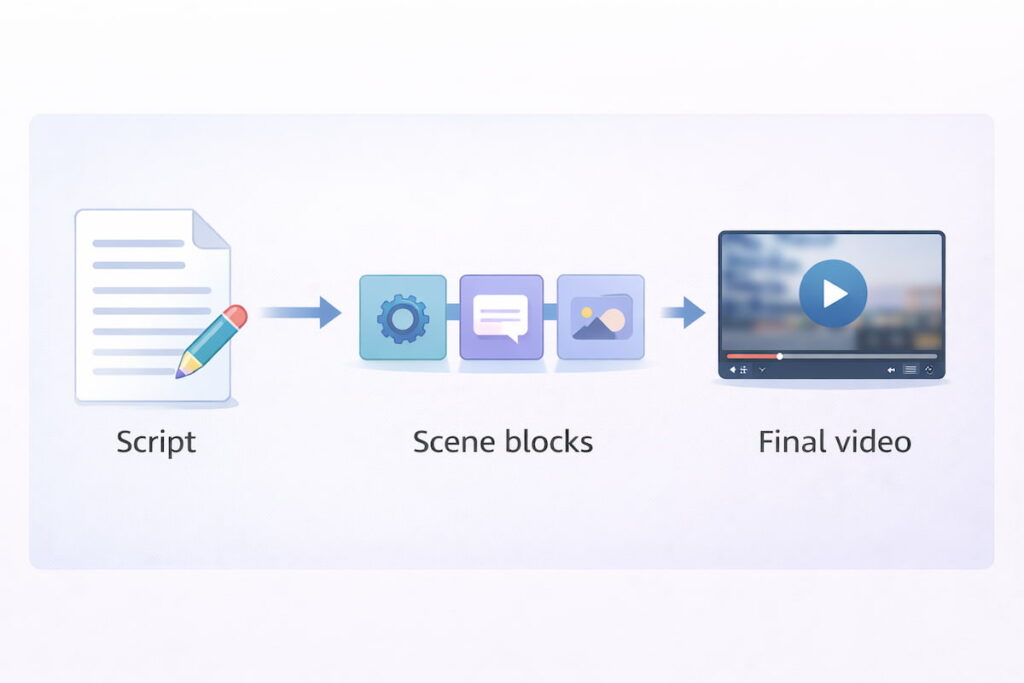
InVideo AI different from other AI video tools is something I wanted to understand properly, because AI video editors are everywhere now. One tool promises “text to video.” Another promises “viral shorts.” Another promises “cinematic scenes.” Yet when you actually try them, the results can feel similar: templates, stock clips, and a voiceover. So the real question is: what is actually different, and what is just marketing?
My point of view is simple. I don’t care if a tool looks fancy in ads. I care about the workflow. I care about how quickly I can go from idea → script → video → export, without fighting the interface. I also care about how much control I have after the AI gives me the first draft. That’s where many AI video tools fail: they generate something, but editing becomes painful.
In this guide, I’ll explain InVideo AI different from other AI video tools in plain language. I’ll cover how it works, what it’s best for, what it struggles with, how it compares to typical AI video tools, and what I would choose in real situations. I’ll also include a comparison table, ratings, and an FAQ. ✅
I wrote a prompt. I generated a draft. I edited the scenes.
Then I noticed what matters most: speed plus control.
After that, it was easier to see where InVideo AI stands.
What InVideo AI Does (In Simple Words) 🧠
InVideo AI is basically an AI-powered video creation workflow that helps you create videos faster using text prompts, scripts, and structured editing. Instead of starting from a blank timeline, you can start from an idea or script and get a draft video.
Most people use tools like this for:
- YouTube videos 🎥
- Shorts and Reels 📱
- product promos 🛍️
- social ads 📣
- explainer videos 📘
InVideo AI different from other AI video tools mainly shows up in how the tool balances AI automation with editing control.
InVideo AI Different From Other AI Video Tools: The Core Difference 🔍
If you ask me what stands out most, I’d describe it like this:
InVideo AI focuses on turning a script into a video draft quickly, then letting you edit that draft without feeling stuck.
A lot of AI video tools do the first half (generate). Fewer tools do the second half well (edit and refine smoothly).
So in my experience, InVideo AI different from other AI video tools is less about a “magic generator” and more about a practical workflow.
1) Script-to-Video Workflow: Faster Than You Think ✍️➡️🎬
InVideo AI different from other AI video tools because it’s very script-forward. That matters because the script is usually the hardest part. Many creators struggle here:
- What do I say first?
- How do I structure the story?
- Where do I add hooks?
- How do I keep it short and clear?
InVideo AI can help you:
- generate a script from a topic
- break it into scenes
- match visuals to each scene
- add voiceover and captions
That “scene-based” approach is a big reason the workflow feels efficient.
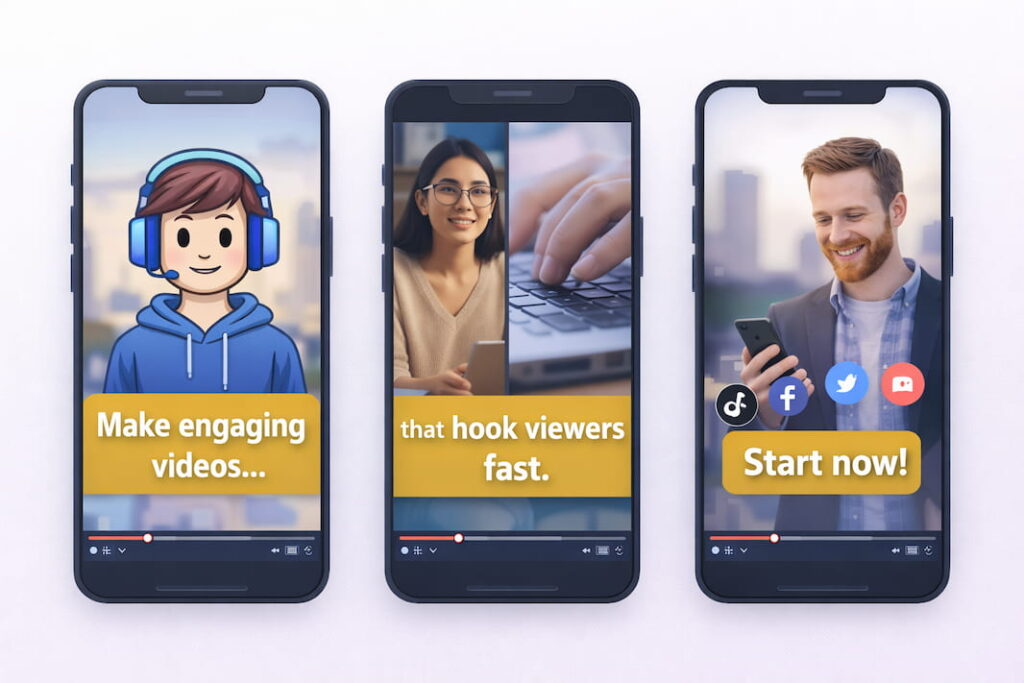
2) Scene Structure That Matches Social Content 📱
Short-form video is all about speed and clarity. A lot of creators need:
- a hook in the first 1–2 seconds
- quick cuts
- captions that are readable
- visuals that match the message
InVideo AI different from other AI video tools because it tends to support this “fast scene” format well. Instead of building from scratch, you start with scenes and tweak them.
That means:
- you can replace a clip quickly
- you can shorten a scene easily
- you can change text overlays fast
This sounds small, but it saves time.
3) Templates + AI = Less Time Wasted 🧩
Let’s be honest: templates can look generic. However, templates can also save you hours.
InVideo AI different from other AI video tools because it blends:
- AI generation
- template structure
- easy edits
So you’re not stuck with a template forever. You can start with it, then make it yours.
What I like about this:
- fast first draft
- quick styling
- consistent look across videos
What I don’t like:
- some templates can feel “same-y” if you don’t customize
- you still need taste to make it look premium
AI helps, but your choices still matter.
4) Editing Control: The Part Most AI Tools Get Wrong ⚙️
This is where I’m strict.
Many AI video tools are great at making a demo. But when you want to adjust:
- pacing
- visuals
- text placement
- clip selection
- scene length
…you can feel locked. That’s frustrating.
InVideo AI different from other AI video tools because editing usually feels more accessible. You can adjust scenes without breaking the whole project. That “editable draft” idea is a real advantage for creators.
5) Captions and Text Overlays (Big for Shorts) 📝✨
Captions are not optional anymore. They are the difference between:
- people scrolling past
- people staying and watching
InVideo AI different from other AI video tools because it supports text overlays and caption-friendly layouts in a creator-friendly way. I still recommend checking:
- font size
- contrast
- line spacing
- safe margins
AI is helpful, but you should always preview on mobile.
Where InVideo AI Feels Strong (Best Use Cases) ✅
From my perspective, InVideo AI is strongest for creators who want speed and structure.
Best fit use cases:
- YouTube faceless videos (script + visuals + voice) 🎥
- social shorts with captions 📱
- business promos and announcements 📣
- explainers and list-style videos (“Top 7…”, “How to…”) 🧾
- educational videos where scenes follow a script 🎓
If your goal is fast publishing with consistent style, InVideo AI different from other AI video tools becomes obvious.
Where InVideo AI Can Feel Weak ⚠️
To stay fair, here are the limitations I notice with AI video tools in general, including InVideo AI.
- Truly cinematic custom animation is still hard
- Stock footage can feel repetitive
- AI visuals may not match your exact story
- You may need manual edits for premium results
- Voiceovers can sound “AI” unless you tune them
So if you expect Hollywood-level results from one prompt, you’ll be disappointed. The best results happen when you treat AI as a helper, not a full replacement.
Comparison Table: InVideo AI Different From Other AI Video Tools 📊
| Feature | InVideo AI | Typical AI video tools |
|---|---|---|
| Best starting point | Script and scenes | Templates or prompt-only |
| Editing experience | Strong scene-based control | Can feel locked or limited |
| Best for | YouTube + Shorts + explainers | Quick promos or basic reels |
| Output style | Consistent, creator-friendly | Varies, sometimes generic |
| Learning curve | Moderate, friendly | Either very easy or confusing |
| Speed to first draft | Fast | Fast, but edit control varies |
| Customization | Good (depends on effort) | Often limited after generation |
This table is the easiest way I explain InVideo AI different from other AI video tools to new creators.
Ratings (Honest Scorecard) ⭐
These ratings are based on real creator needs: speed, control, output quality, and ease of editing. Out of 10.
- Script-to-video speed: 8.8/10
- Ease of editing: 8.6/10
- Captions and text overlays: 8.4/10
- Visual matching accuracy: 7.8/10
- Templates and style consistency: 8.2/10
- Best for beginners: 8.3/10
- Overall: 8.4/10
This is a strong score, but not perfect. The gap is usually in perfect visual matching and premium uniqueness.
My Opinion: Should You Use InVideo AI in 2025? 🗣️
Here’s my honest opinion.
If you’re a creator who wants to publish consistently, I think InVideo AI is worth considering because it makes the hardest part easier: getting from idea to a draft video quickly. Also, the scene-based approach feels practical. You’re not stuck staring at a blank timeline.
However, I don’t think it’s the best choice for everyone. If your content depends on highly custom animation, cinematic storytelling, or very specific scene art direction, you may need a different workflow or more manual editing in another tool.
So for me:
- for shorts, explainers, and script-driven videos → I like it
- for cinematic, unique animation-heavy content → I wouldn’t rely on it alone
That’s not biased. That’s just matching tool to goal.
Tips to Get Better Results With InVideo AI ✅🎬
These tips improve quality fast:
- Start with a clear script, not a vague prompt
- Use short sentences (better pacing)
- Add scene notes like: “show charts,” “show product close-up,” “show city b-roll”
- Replace stock clips that feel random
- Keep text overlays short (1–2 lines)
- Always preview on mobile before exporting
- Export two versions: one short, one slightly longer
Also, keep a style guide:
- same fonts
- same colors
- same caption style
This makes your channel look professional.
Common Mistakes People Make 😬
Mistakes I see often:
- using a long, messy prompt
- trusting the first draft without edits
- adding too much text on screen
- using random stock footage that doesn’t match
- ignoring audio and pacing
A better habit:
- generate → review → replace visuals → tighten text → export
That workflow is simple and effective.
FAQ: InVideo AI Different From Other AI Video Tools ❓
1) What makes InVideo AI different from other AI video tools?
InVideo AI different from other AI video tools because it focuses on script-to-video creation with scene-based editing. You get a draft quickly, and then you can edit scenes without feeling stuck.
2) Is InVideo AI good for YouTube and Shorts?
Yes, especially for script-driven videos, list videos, explainers, and caption-heavy shorts. It works best when your video follows a clear structure.
3) Does InVideo AI create fully original videos?
It can generate videos using AI workflows, but many projects still rely on stock footage and templates. Your final quality improves when you replace clips and customize the style.
4) Is it beginner-friendly?
In my view, yes. It’s easier than complex timeline editors for many beginners. Still, you’ll get better results if you learn basic editing habits like pacing and clean captions.
5) Will it replace professional video editing?
Not completely. It can speed up drafting, scripting, and basic production. But for premium cinematic work, you still need manual editing, strong creative direction, and sometimes specialized tools.
6) How do I make InVideo AI videos look less generic?
Customize the template, replace repetitive stock clips, keep a consistent brand style, and tighten captions. The difference between “generic” and “premium” is often small edits done well.